


Shopping Cart
There are no more items in your cart
Le choix de la matière influence directement le prix et la durabilité d’un bijou. Comprendre ces liens aide à mieux acheter.
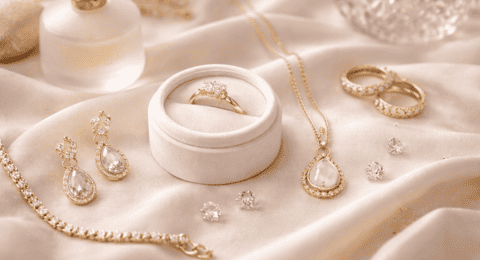
Le choix de la matière influence directement le prix et la durabilité d’un bijou. Comprendre ces liens aide à mieux acheter.
Choosing the right material is essential in jewelry, shaping not only its look but also its durability and cost. Each material brings unique qualities, benefits, and challenges. Understanding these differences helps you make informed decisions, whether buying or designing a custom piece.
The cost of jewelry largely depends on its raw materials. Precious metals like gold, silver, and platinum are prized for their rarity and timeless value. Gold, available in various purities with 24k being the purest, symbolizes enduring luxury but often requires alloys for strength. For example, when exploring gold hoop earrings, understanding gold’s quality and composition is key.
On the other hand, non-precious metals such as copper or brass offer budget-friendly options but may require more care and can cause skin reactions. Production complexity also affects price; intricate designs demand skilled craftsmanship, increasing the final cost.
Ethical sourcing is another factor influencing price. Jewelry certified from responsible origins often carries a premium, reflecting guarantees about provenance and production standards—an aspect increasingly valued by conscious consumers.
Beyond price, durability is crucial. Platinum jewelry, for instance, is highly resistant to wear and corrosion, making it ideal for daily wear. Silver is admired for its shine but is prone to tarnishing; rhodium plating is a common method to protect its surface.
Plating techniques blend precious metal aesthetics with affordable bases. Gold plating offers the look of gold at a lower cost, but its longevity depends on the thickness of the plating. Thicker layers resist wear better.
Gemstones also affect durability. Hard stones like sapphires and diamonds withstand daily use, while softer stones such as opals or pearls need gentle care to avoid scratches.
Materials carry stories that enrich a piece’s emotional significance. Gold jewelry often symbolizes wealth and heritage, passed down through generations. Silver floral earrings add vibrant color and modern flair while honoring classic elegance.
Symbolic pieces like wedding bands or birthstone necklaces are usually crafted from durable metals like gold or platinum to ensure their meaning endures. Choosing a material is as much about personal significance as it is about price or durability.
Innovative or recycled materials tell contemporary, eco-conscious stories, reflecting a commitment to sustainability and redefining what it means to wear jewelry today.
The jewelry industry is evolving to meet modern demands for sustainability. Today’s technologies enable the use of recycled and alternative materials without sacrificing elegance. Recycling gold and silver reduces environmental impact while preserving precious resources.
Alternative metals like titanium and stainless steel are gaining popularity for their durability, corrosion resistance, and hypoallergenic properties—ideal for sensitive skin and everyday wear. A standout example is the Radiant Yellow Gold Plated Necklace, blending style with sustainable innovation.
Eco-friendly practices are further supported by traceability technologies that verify material origins and ethical compliance, empowering consumers to choose with confidence.
Artisan skill is central to creating unique, high-quality jewelry. Generations of expertise shine through in every detail—from metal inlay to enameling and engraving—adding artistic depth beyond material worth.
Unlike mass production, handcrafted pieces offer personalization, making each item truly one-of-a-kind. This bespoke approach enhances both monetary and sentimental value. Handmade bracelets often showcase meticulous attention and creativity unmatched by industrial methods.
Collaborating with talented designers and artisans transforms buying into a meaningful experience, allowing clients to co-create timeless, personal treasures and deepen their connection to the piece.
Ethical jewelry is a growing movement reshaping production and material choices to reduce social and environmental impact. More brands now use lab-grown gemstones and responsibly sourced metals in their collections.
This shift also promotes better working conditions for miners and artisans in developing countries. Transparency in supply chains and respect for human rights have become key factors for informed consumers.
By embracing these values, jewelers contribute to a sustainable future while meeting the demand for pieces that combine ecological responsibility with refined aesthetics. Men’s pendants crafted under these principles highlight how ethics and elegance can coexist beautifully.
Gold, silver, and platinum hold a special place in history—not only for their beauty and rarity but also as lasting investments. These metals retain value over time, offering financial security.
Gold, in particular, is seen as a safe haven amid economic uncertainty. Its price fluctuates with global markets, yet its appeal as a tangible asset endures. Gold jewelry serves both as adornment and heirloom.
Silver and platinum also present investment opportunities, though they may be more volatile. Responsible sourcing enhances their appeal in conscientious consumption.
Jewelry longevity also depends on proper care. Regular cleaning preserves shine and integrity. For example, using appropriate methods to clean gold and silver helps prevent tarnish and damage.